
Finding the Right AL Fiber Glass Manufacturer: What Actually Matters
If you've spent any time sourcing insulation materials for transformers or cable manufacturing, you already know the frustration — half the suppliers you find online look identical on paper, and the real differences only show up once the material is on your production line. That's especially true when you're looking for an AL fiber glass manufacturer. The tape looks the same in a product photo. It doesn't behave the same way under load.
Aluminium fibreglass tape (some people call it AFGT, short for Aluminium Foil Glass Cloth Tape) has quietly become one of the go-to materials for transformer and cable insulation, and for good reason. You get the shielding and conductivity benefits of aluminum foil bonded onto a fiberglass cloth backing, which gives you strength and heat resistance the foil alone could never provide. It sounds simple. Getting it right, consistently, roll after roll, is where most manufacturers fall short.
This piece is about what separates a decent AL fiber glass manufacturer from one you'll regret working with six months in — and how related products like aluminum winding wires, and foil sourced from a solid al foil manufacturer or aluminum foil manufacturer, all tie into the same supply chain decision.
What Aluminum Fiberglass Tape Is Actually Doing
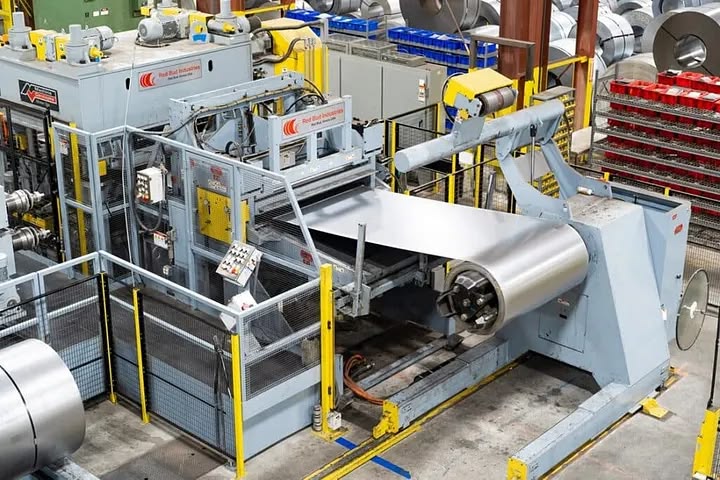
At its core, this tape is a lamination job—a thin aluminum foil layer fused onto woven fiberglass cloth, usually with an adhesive that has to hold up under heat and stress. When it's done well, you end up with a material that:
- Handles high operating temperatures without breaking down
- Doesn't tear or shred during winding, thanks to the fiberglass backing
- Blocks electromagnetic interference because of the aluminum layer
- Shrugs off moisture and most chemical exposure
None of that happens by accident. The foil thickness has to be consistent. The adhesive bond can't have weak spots. And the lamination process itself needs tight quality control, because a tape that tests fine in the lab but fails after six months in a live transformer is worse than useless—it's a liability.
Why the Manufacturer You Pick Actually Matters
Here's the thing nobody tells you upfront: two rolls of aluminum fibreglass tape can look nearly identical and perform completely differently. The gap usually comes down to a handful of things.
First, raw material sourcing. If the AL fiber glass manufacturer you're buying from is cutting corners on foil purity or using a lower-grade fiberglass cloth, it'll show up eventually—usually at the worst possible time, mid-production or worse, after installation. Second, the actual lamination equipment matters more than people assume. Older or poorly calibrated machinery leads to inconsistent thickness across a roll, which throws off dielectric performance in ways that aren't always obvious until you test it.
Then there's quality control—real testing for dielectric strength, tensile strength, and temperature tolerance, not just a spec sheet that says the right numbers. And finally, whether they can actually customize width, thickness, or adhesive backing for your specific application, instead of pushing you toward whatever's easiest for them to produce.
Manufacturers who genuinely hit all of these tend to earn repeat business from transformer OEMs and cable producers. It's not a coincidence.
Where This Tape Actually Gets Used
In practice, aluminium fibreglass tape shows up in a handful of recurring applications: transformer winding and core insulation, outer wrapping for cables, coil insulation in motors and generators, EMI/RFI shielding for electronics, and general thermal insulation for ducts and pipes in industrial settings.
The reason demand keeps climbing isn't mysterious—power transmission infrastructure is expanding, renewable energy projects need reliable insulation materials, and electronics manufacturing keeps growing. All of that pulls more volume through suppliers who can actually deliver consistent quality at scale.
Aluminum Winding Wires Are Part of the Same Conversation
You can't really talk about transformer or motor insulation without bringing up aluminum winding wires. They've become the practical alternative to copper for a lot of applications—lighter, cheaper, and good enough electrically for standard voltage ranges, which covers a large chunk of real-world use cases.
What's worth knowing is that a lot of manufacturers who produce aluminum fibreglass tape also supply aluminum winding wires. That's not just convenience—it means the two materials are more likely to actually work well together, since they're coming from a supplier who understands how they interact in the field. Sourcing both from one place also cuts down on lead times and removes some of the guesswork around compatibility.
What the Al Foil Manufacturer Brings to the Table
Every roll of aluminum fibreglass tape starts with foil, and the quality of that foil is basically the ceiling for how good the final product can be. A capable al foil manufacturer controls for purity—typically 99%+ aluminum content—along with consistent thickness measured down to the micron, a clean surface finish that laminates properly, and enough tensile strength that the foil doesn't tear during processing.
If the foil going into the tape is inconsistent, no amount of careful lamination downstream is going to fix that. It's the foundation, not an afterthought.
What a Full-Scale Aluminum Foil Manufacturer Usually Offers
Beyond insulation tape specifically, a broader aluminum foil manufacturer is usually producing foil for packaging, food-grade applications, construction insulation, HVAC duct wrapping, and various composite laminates. That range matters more than it might seem.
When a supplier serves both niche industrial applications and higher-volume general markets, it usually points to better production capacity, tighter quality systems (because they can't afford to lose bulk clients), and more flexibility when you need a custom order. It's a decent signal to look for, even if you only need the insulation-specific product.
A Practical Way to Vet Suppliers
Skip the sales pitch and ask for samples first—test the dielectric strength and lamination quality yourself before committing to volume. Check for actual certifications like ISO 9001, RoHS, and REACH compliance, not just claims on a website. Ask directly whether they can customize width, thickness, or adhesive type, and don't take a vague answer as a yes. Look into their production capacity honestly, because a supplier that's great for small orders can fall apart under a large one. Talk to existing clients if you can. And be wary of the cheapest quote—in this category, it's rarely the best long-term value once you factor in failure rates and downtime.
A manufacturer that handles foil production, fiberglass lamination, and winding wire supply in-house tends to be more consistent, mostly because they're not relying on three different vendors to get quality right at the same time.
Bottom Line
Picking an AL fiber glass manufacturer isn't a decision to rush, especially if you're in transformer, cable, or motor manufacturing, where a bad batch of insulation material can mean real downtime or safety issues down the line. The quality starts with the raw aluminum foil, gets shaped by the lamination process, and shows up in how the tape performs months or years after installation—not just on day one.
Pair that with reliable aluminum winding wires and foil sourced from an established al foil manufacturer or aluminum foil manufacturer, and you're building a supply chain that doesn't require constant firefighting. That's really the goal—fewer surprises, not the lowest possible unit price.
Frequently Asked Questions (FAQs)
Q1. What is aluminum fibreglass tape actually used for?
Mostly transformer winding and core insulation, cable wrapping, and motor or generator coil insulation. It's also used for EMI/RFI shielding and general thermal insulation in industrial settings.
Q2. How is aluminum fibreglass tape made?
A thin, high-purity aluminum foil layer gets laminated onto woven fiberglass cloth using heat-resistant adhesives. The precision of this process determines how consistent and reliable the tape performs.
Q3. Aluminum winding wires vs. copper—what's the real difference?
Copper conducts slightly better, but aluminum winding wires are lighter and considerably cheaper, which makes them the practical choice for a lot of standard transformer and motor applications.
Q4. How do I actually know if an AL fiber glass manufacturer is reliable?
Ask for samples and test them yourself, verify real certifications (ISO, RoHS), check if they can genuinely customize orders, and talk to a few of their existing clients before committing to a large order.